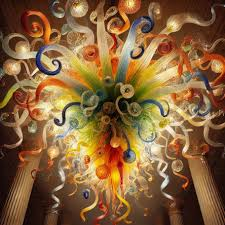
The creation of a murano glass chandelier is a meticulous process that requires experience, precision, and artistic sensitivity. Each piece reflects centuries of knowledge passed down through generations of Venetian glassmakers.
The process begins with raw glass heated to extremely high temperatures until it becomes malleable. Artisans then shape the molten glass using traditional tools and techniques. Timing is crucial, as the material cools quickly, demanding perfect coordination and expertise.
Individual components are crafted separately. Decorative elements such as flowers, leaves, and arms are shaped by hand, often using complex techniques that allow for delicate details and vibrant colors. Once completed, these components are slowly cooled to ensure structural stability.
Assembly is another critical phase. Each element must fit perfectly into the overall structure, creating balance and symmetry. The result is a chandelier that feels both light and intricate, despite its complexity.
What makes Murano craftsmanship exceptional is the absence of automation. Every step relies on human skill and artistic judgment. This approach ensures uniqueness and quality, but also requires years of training and dedication.
The artistic value of a murano glass chandelier goes beyond technique. Color combinations, proportions, and design choices are guided by aesthetic sensibility. Each chandelier tells a story, reflecting both tradition and the artisan’s personal style.
In an era of industrial production, the handmade nature of Murano chandeliers represents a rare form of excellence. They stand as tangible proof that true luxury is defined by craftsmanship, time, and passion.